
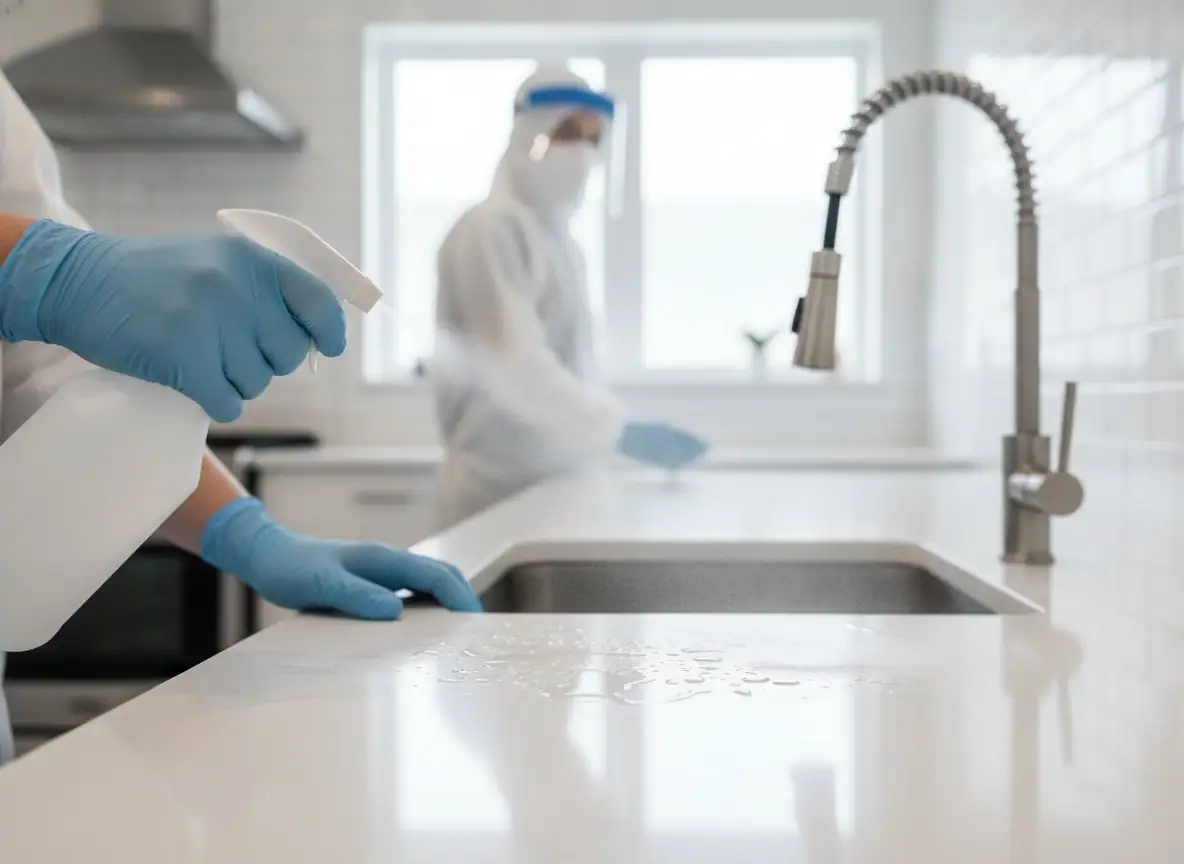
Medical Waste Disposal & Removal in McKinney, TX
Medical waste disposal in McKinney, TX means getting used needles, soiled dressings, expired medications and clinical waste out of your home or facility safely, legally and without exposing anyone to injury or infection. McKinney Elite Crime Scene Clean Up provides medical waste removal for households, clinics and businesses across McKinney and Collin County. We can explain the compliant options for your situation and arrange a pickup.
The right method depends on who generated the waste and what it contains. A family managing insulin or weight-loss injections has different rules than a dental office, urgent care or home health agency. Each section below answers one question and leads into the next, so you can find the compliant path quickly.
At a glance
What Is Medical Waste Disposal?
Medical waste disposal is the process of separating hazardous or infectious materials into approved containers and then sending them through licensed haulers, permitted treatment facilities or authorized take-back programs.
It works in four stages, and each one matters:
- Segregation: Waste is sorted at the point it is created. Sharps, biohazard waste, pharmaceuticals and chemotherapy waste are never mixed.
- Containment: Each category goes into its own compliant container, such as a rigid sharps container, red biohazard bag, or labeled pharmaceutical bin.
- Transport: Licensed haulers move regulated waste with tracking documents to a permitted facility.
- Treatment: Autoclaving, which is high-pressure steam sterilization, is a common treatment that renders infectious waste non-infectious. Incineration is typically used for pharmaceutical and chemotherapy waste.
The table below compares the main regulated waste streams.
| Waste type | Examples | Required container | Typical treatment |
|---|---|---|---|
| Sharps | Needles, syringes, lancets, scalpel blades, auto-injector pens with needles | Rigid, puncture-resistant, leak-proof sharps container with lid | Autoclave or incineration |
| Red-bag biohazard | Blood-soaked gauze, dressings, contaminated PPE, cultures, specimens | Red biohazard bag inside a rigid, lidded, labeled container | Autoclave, then landfill |
| Pharmaceutical | Expired, unused or partially used medications, vials, patches | Labeled pharmaceutical container, often white with blue lid for non-hazardous drugs | Incineration |
| Trace chemotherapy | Empty chemo vials, IV bags, tubing, gloves and gowns used during administration | Yellow trace chemo container | Incineration |
Medical waste is only one slice of the broader hazardous waste category, which is why people often ask what else counts as hazardous.
What Are 20 Examples of Hazardous Waste?
Hazardous waste includes anything that is infectious, toxic, flammable, corrosive or reactive. Twenty common examples found in homes, medical settings and businesses include:
- Used needles and syringes
- Lancets and insulin pen needles
- Blood and blood-soaked materials
- Other potentially infectious bodily fluids
- Pathological waste, such as tissue
- Microbiological cultures and stocks
- Chemotherapy drugs and contaminated items
- Expired or unused prescription medications
- Controlled substances
- Mercury thermometers and blood pressure devices
- Laboratory chemicals and reagents
- Formaldehyde and other preservatives
- Disinfectants and sterilant chemicals
- Household cleaners with bleach or ammonia
- Pesticides and herbicides
- Used motor oil and antifreeze
- Paint thinners and solvents
- Lead-acid and lithium batteries
- Fluorescent bulbs
- Drug residues, such as fentanyl or methamphetamine contamination
The first eleven items are directly tied to medical care. Many of them show up in ordinary homes, which brings us to household disposal.
Free, no-obligation estimates
Talk to McKinney Elite Crime Scene Clean Up
Tell us what you need and we’ll take it from there.
At a glance
How to Dispose of Medical Waste at Home?
At home, place sharps in a rigid sharps container, take medications to a take-back location, and bag soiled items before putting them in the trash. Never put loose needles in household garbage or recycling.
Sharps
- Drop needles, syringes and lancets into an FDA-cleared sharps container right after use. If you do not have one, use a heavy plastic bottle with a screw-on lid, such as a laundry detergent jug.
- Do not recap, bend or break needles.
- Seal the container when it is about three-quarters full.
- Dispose of it through a pharmacy drop-off or mail-back program, a household hazardous waste site, or a local approved program. Check with your city's solid waste service for current McKinney rules.
Medications
- Take unused or expired medications to a pharmacy kiosk or authorized take-back location.
- If no take-back option exists and the label allows it, mix pills with an unappealing substance like coffee grounds or kitty litter. Seal the mixture in a bag and place it in the trash.
- Do not flush medications unless the label specifically says to.
- Scratch out personal information on prescription bottles before discarding.
Home vs. business disposal checklist
| Task | Household | Clinic or business |
|---|---|---|
| Sharps container | FDA-cleared or rigid household substitute | Compliant, labeled sharps containers at each point of use |
| Bloody or infectious items | Bag tightly and trash, unless large quantities are involved | Red-bag biohazard waste in lidded, labeled containers |
| Medications | Take-back kiosk or approved trash method | Segregated pharmaceutical waste stream; no sewering of hazardous drugs |
| Transport | Drop-off, mail-back, or pickup service | Licensed hauler with tracking documents |
| Recordkeeping | None required | Manifests, training records and an exposure control plan |
Pharmacies are the most convenient drop-off point for many households, so a common question is whether a specific chain will take sharps.
Will Walgreens Dispose of Sharps?
Generally, no. The medication take-back kiosks found in many Walgreens stores are for pills and other drugs, not for needles or syringes.
Walgreens and other pharmacies often sell sharps containers and mail-back kits. With a mail-back kit, you fill the container, seal it, and ship it to a treatment facility in prepaid packaging. Policies differ by store, so call your local pharmacy before bringing in a sharps container. Never put needles into a medication kiosk. Loose sharps can injure the staff who empty it.
If you generate sharps regularly, a mail-back kit or a scheduled pickup is usually more reliable than hoping a store will accept them. Our sharps waste disposal service handles full containers from homes and businesses. One of the fastest-growing sources of household sharps right now is weekly injectable medication.
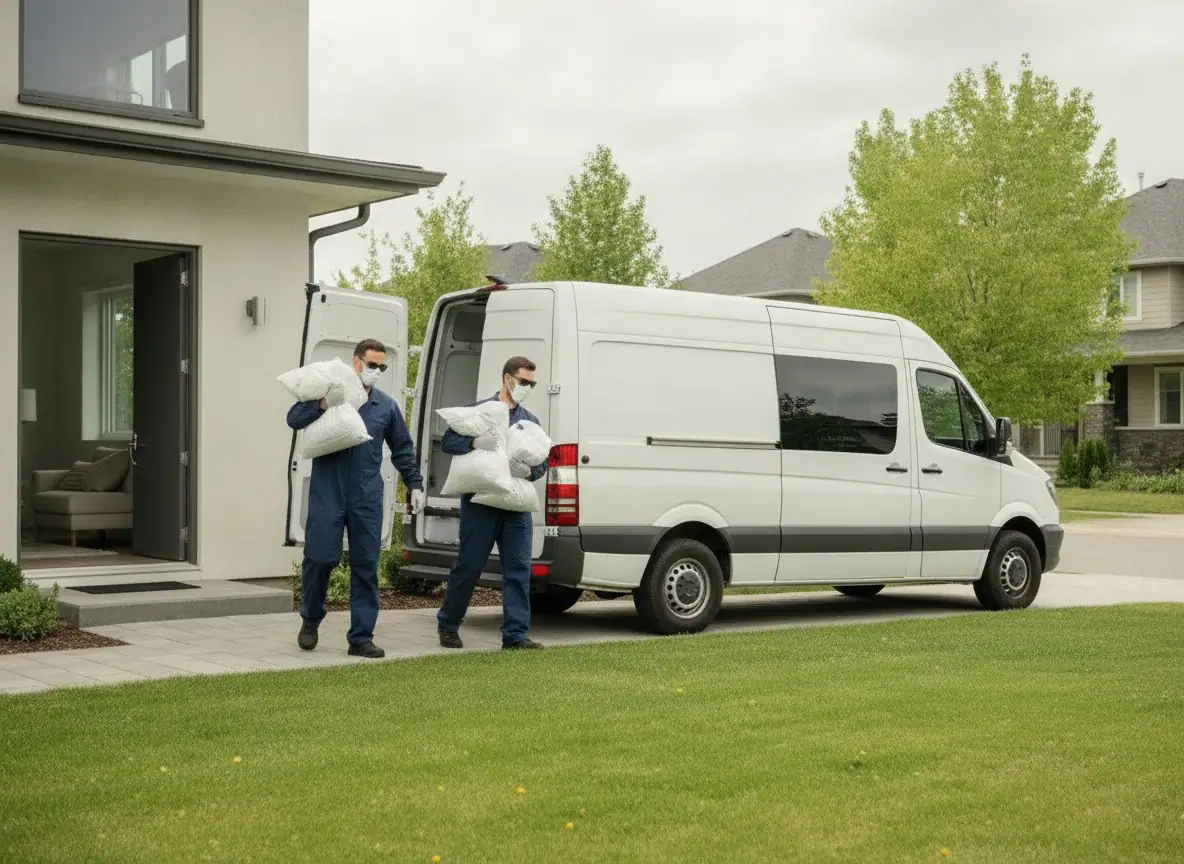
How to Dispose of Ozempic Pens and Needles?
Put the pen needle in a sharps container right after each injection. Then dispose of the used pen according to local rules, or simply place it in the sharps container too.
Ozempic, Wegovy, Mounjaro and similar pens use a separate pen needle that you attach for each dose. Follow these steps:
- After injecting, carefully remove the needle using the outer needle cap and drop it directly into a sharps container.
- Never store or throw away the pen with the needle attached.
- When the pen is empty or expired, recap it. Many people place the empty pen in the sharps container as well, which is the safest option.
- Pens that still contain medication should go to a take-back program, not the trash.
- Seal the sharps container at three-quarters full and use a pharmacy, mail-back, household hazardous waste, or pickup option.
A single household produces only a small amount of waste. Clinics that administer these same injections, however, fall under a much stricter set of rules.
At a glance
How Does Regulated Medical Waste Pickup Work for Clinics and Businesses?
Regulated medical waste pickup involves four steps. You segregate waste into compliant containers, a scheduled hauler collects it with tracking paperwork, the waste is treated at a permitted facility, and you keep the records.
Regulated waste compliance
Healthcare and business waste must be segregated into red-bag biohazard waste, sharps, pharmaceutical waste and trace chemotherapy waste, each in its own compliant container. Several agencies set the rules:
- OSHA Bloodborne Pathogens Standard: Requires an exposure control plan, employee training, labeled containers, and sharps containers within reach of where sharps are used.
- Texas Commission on Environmental Quality and Texas Department of State Health Services: These agencies regulate how medical waste is handled, transported and treated in Texas.
- U.S. Department of Transportation: Sets packaging and labeling standards for waste in transit.
- EPA rules for hazardous pharmaceuticals: Prohibit healthcare facilities from flushing or sewering hazardous waste pharmaceuticals.
Typical pickup schedule
| Facility type | Common pickup frequency |
|---|---|
| Hospitals and surgery centers | Daily to several times per week |
| Urgent care and multi-provider clinics | Weekly |
| Dental, dermatology, med spa, veterinary | Every two to four weeks |
| Tattoo studios, home health, small offices | Monthly, quarterly or on call |
| Households and one-time cleanouts | As needed |
Larger facilities can learn more on our hospital waste management page, and offices that handle drugs should review pharmaceutical waste disposal. Scheduled service is not the right fit for everyone, so it helps to compare pickup with drop-off.
At a glance
Pickup vs. Drop-Off: Which Medical Waste Option Is Right for You?
Drop-off and mail-back work well for small, occasional household quantities. Pickup is the better choice for businesses, large volumes, mixed waste types, or anything involving blood or bodily fluids.
| Factor | Drop-off or mail-back | Pickup service |
|---|---|---|
| Best for | A few sharps containers or leftover medications | Clinics, businesses, estate cleanouts, large home quantities |
| Waste types accepted | Usually limited to sharps or drugs only | Sharps, red-bag, pharmaceutical and trace chemo |
| Effort | You transport or ship it | Removed from your property |
| Documentation | Minimal | Tracking records for compliance |
| Timing | Depends on store hours or mail | Scheduled or on call |
A good rule of thumb: if you have more than you can safely carry in one container, or anything is leaking or loose, choose pickup. That decision naturally raises the question of cost.
At a glance
How Much Does It Cost to Dispose of Medical Waste in McKinney?
The cost depends mainly on the volume and type of waste, how often it is collected, and the size of your facility. We provide a written quote after a free inspection or consultation.
For general context only, national industry figures often cite roughly $50 to $200 per month for small practices or dental offices, and $1,000 to $50,000 or more per month for large hospital systems. These are broad industry ranges, not McKinney Elite pricing. Your actual cost depends on your volume and facility.
| Cost factor | Why it matters |
|---|---|
| Volume and container count | More containers or heavier loads mean more handling and treatment. |
| Waste category | Pharmaceutical and chemo waste require incineration, which differs from autoclaved red-bag waste. |
| Pickup frequency | Scheduled recurring service is priced differently than a one-time removal. |
| Packaging condition | Loose sharps or leaking bags take extra labor to repackage safely. |
| Access | Stairs, distance from parking, and after-hours requests affect labor. |
| Contamination extent | If surfaces also need biohazard cleanup, that work is added to the scope. |
| Documentation needs | Facilities that need detailed compliance records may require added paperwork. |
Financing is available, and for home biohazard situations we can help with insurance claims. You can read more on our cost page. Price is only one part of the decision, so the next step is knowing how to choose a provider.
How Do You Choose a Medical Waste Disposal Company?
Choose a medical waste disposal company that handles every waste stream you generate, provides clear documentation, explains its process in writing, and can respond when you need it.
Ask these questions before you sign:
- Which waste types do you accept: sharps, red-bag, pharmaceutical, trace chemo?
- Where is the waste treated, and what records will I receive?
- Do you supply or recommend compliant containers?
- Is pricing written and based on my actual volume?
- Can you handle one-time and emergency removals, not just recurring routes?
- Are you insured?
One advantage of working with a biohazard cleanup company is that we handle both the waste and the contaminated area around it. Our biohazard waste disposal and biohazard cleanup teams work together when a scene needs both. You can see all our cleanup and decontamination services. Once you have chosen a provider, scheduling should be straightforward.

How Do You Schedule Medical Waste Removal in McKinney?
Call (972) 779-9020 or request a free quote online. Tell us what type of waste you have, about how much, and where it is located.
- Describe the waste: Let us know the category, the container count, and whether anything is leaking or loose.
- Free inspection or consultation: We assess the volume, access and any surface contamination.
- Written quote: You receive clear pricing before any work begins.
- Removal: We package the waste properly and remove it from your property.
- Ongoing schedule (businesses): We set a pickup frequency that matches your volume.
We serve McKinney, Allen, Frisco, Plano, Prosper, Celina, Wylie, Richardson and other nearby communities listed on our service areas page, and 24/7 emergency service is available. As a McKinney crime scene cleanup company, we also handle the situations covered in the questions below.
FAQ
Frequently asked questions
Can I take my sharps bin to the chemist?
"Chemist" is the British term for a pharmacy. In the U.S., some pharmacies accept sealed sharps containers, but many accept only medications. Call ahead, or use a mail-back kit or pickup service instead.
What is the difference between clinical waste and household medical waste?
Clinical waste comes from healthcare and business settings and is regulated. It requires segregation, labeled containers, licensed transport and records. Household medical waste comes from self-care at home and has simpler disposal rules, although sharps still need a rigid container.
How often does medical waste need to be picked up?
Pickup frequency depends on volume and facility type. It ranges from daily service for hospitals to monthly or on-call service for small offices. Containers should be removed before they overfill and in line with state storage requirements.
What containers are required for regulated medical waste?
Sharps go in rigid, puncture-resistant sharps containers. Infectious waste goes in red biohazard bags inside lidded, labeled containers. Pharmaceutical waste goes in labeled pharmaceutical bins, and trace chemotherapy waste goes in yellow chemo containers.
Can pharmaceutical waste go in a sharps container?
Generally, no. Pharmaceuticals usually require incineration and should stay in their own labeled stream. An exception is a used injection pen, which many households place in the sharps container.
Do you handle medical waste from homes after a biohazard incident?
Yes. After an unattended death, trauma, or a home health situation, we remove sharps, soiled materials and other medical waste and clean and decontaminate the affected area. We can also help with insurance claims.
For safe, compliant medical waste disposal in McKinney and nearby communities, call McKinney Elite Crime Scene Clean Up at (972) 779-9020 for a free inspection and written quote.
Why choose us
Why choose McKinney Elite Crime Scene Clean Up?
Free estimates
Get a clear, no-obligation estimate before any work begins.
Licensed & insured
Your property and our crew are protected on every project.
Residential & commercial
One team for homes, multi-family and commercial properties.
Locally owned & operated
A local team serving your community and the surrounding area.
Get in touch
Find crime scene cleanup help near you
Request a free estimate online or give us a call — our team will follow up quickly.
- Call us(972) 779-9020
- Visit8720 Silverado Trail #7G, McKinney, TX 75070
- HoursMon-Sun: 7:00 am – 7:00 pm